
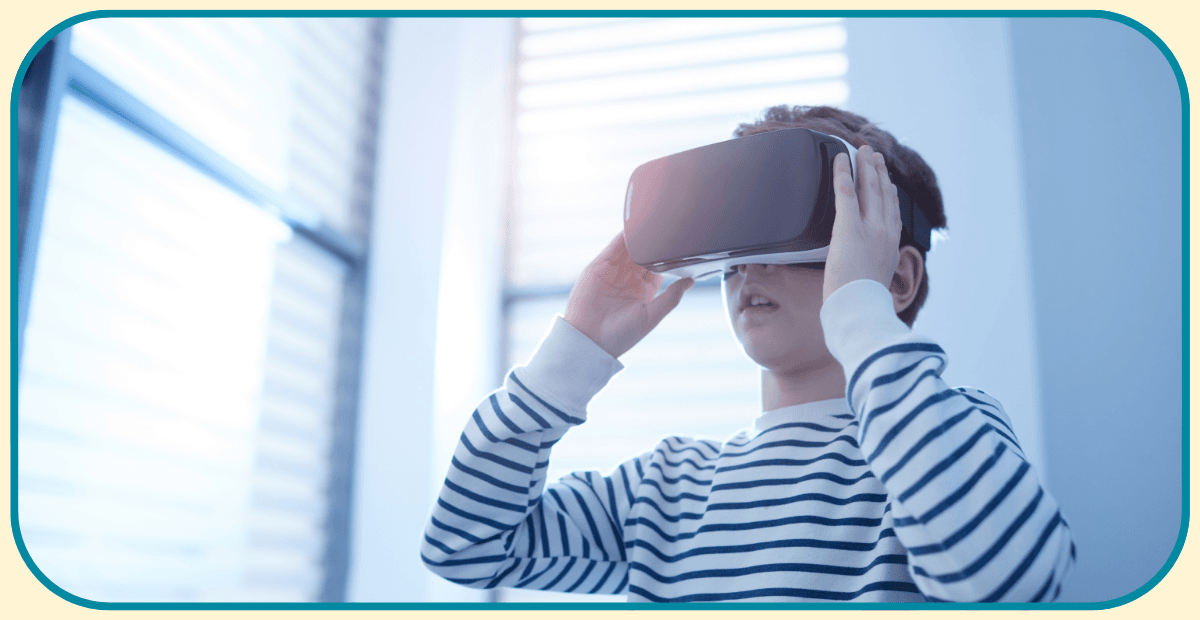
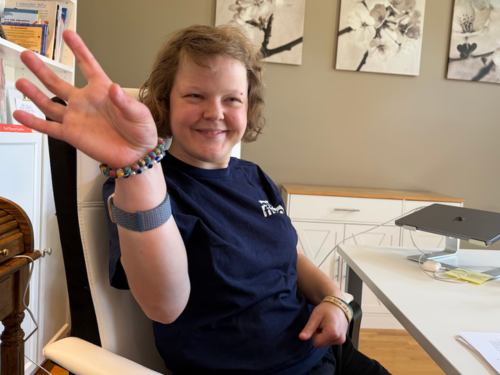
After a day stocking groceries, 27-year-old Sarah Stewart returns home in Birmingham, Alabama, eager to log into a virtual world. Diagnosed with autism and other disabilities, Sarah uses a virtual reality (VR) program called Floreo to practice everyday skills. With a simple headset and her mother's encouragement, Sarah is gaining new tools for independence—one lesson at a time.
Floreo is an immersive VR platform designed to help neurodiverse individuals build practical life skills, social confidence, and emotional regulation. Guided by a coach who can adjust lessons in real time, users like Sarah rehearse daily routines—from putting away groceries to navigating social interactions—within a safe, engaging environment.
“Learning to navigate these challenges is essential for independence as an adult,” Margaret explains. For families like theirs, finding accessible, effective support can be a struggle. Many face long waits, complicated paperwork, and limited funding. In Missouri and across the country, families often must advocate persistently to access services that prepare their loved ones for success.
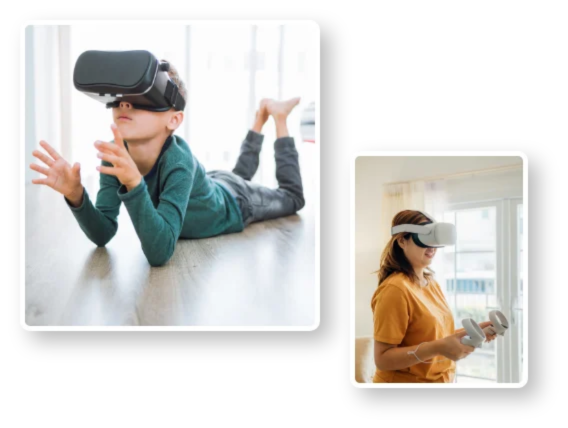
Research shows that, when used with thoughtful guidance and positive reinforcement, VR programs can help individuals with autism strengthen key life and social skills. Floreo’s founder, Vijay Ravindran, was inspired by his own son’s diagnosis to create lessons that foster confidence and independence. The company collaborates closely with families, clinicians, and individuals with autism to refine and expand its offerings.
Feedback from families has led to lessons on critical topics like police interactions, bullying, online safety, and job readiness—areas that matter deeply to supporters of the Special Education Foundation in St. Louis. The program’s adaptability ensures each user progresses at their own pace, with content tailored to their developmental needs. As Sarah’s support professional, Logan Harrell, notes, “Floreo is especially helpful for building job and social skills.”
Sarah’s progress is evident not only in her VR sessions but also in daily life. She reminds her mom where groceries belong, greets neighbors with confidence, and volunteers on her church’s hospitality team. “With the right support, we discover what she truly can do,” Margaret says. The lessons Sarah practices—such as safely crossing the street and interacting positively with police officers—translate into greater independence and community engagement.
Floreo is available to the public, but the company is also working to secure FDA approval for a specialized product, FloreoRX, which offers a structured 12-week curriculum focused on social connection. Clinical trials have shown that participants using FloreoRX make greater improvements than those in control groups, making it one of the most promising science-backed VR interventions for children with autism.
Unlike passive training videos, VR is interactive and immersive, allowing users to fully engage with scenarios they’ll encounter in real life. While some may experience sensory fatigue, ongoing research and user feedback help Floreo adjust its approach to maximize benefits and minimize drawbacks.
Importantly, Floreo is not intended to replace therapists or educators. Instead, it serves as a powerful, flexible supplement—providing families and caregivers with new tools to help individuals with autism reach their full potential. Ravindran emphasizes, “We want to empower families and caregivers—giving them the tools to help individuals with autism reach their full potential.”
For supporters of the Special Education Foundation, stories like Sarah’s highlight the transformative potential of innovative solutions like VR. As families work to overcome challenges and celebrate every milestone, tools like Floreo offer hope, empowerment, and tangible progress—helping individuals with autism lead richer, more independent lives.
This story originally appeared on AL.com and was written by Ruth Serven Smith


