
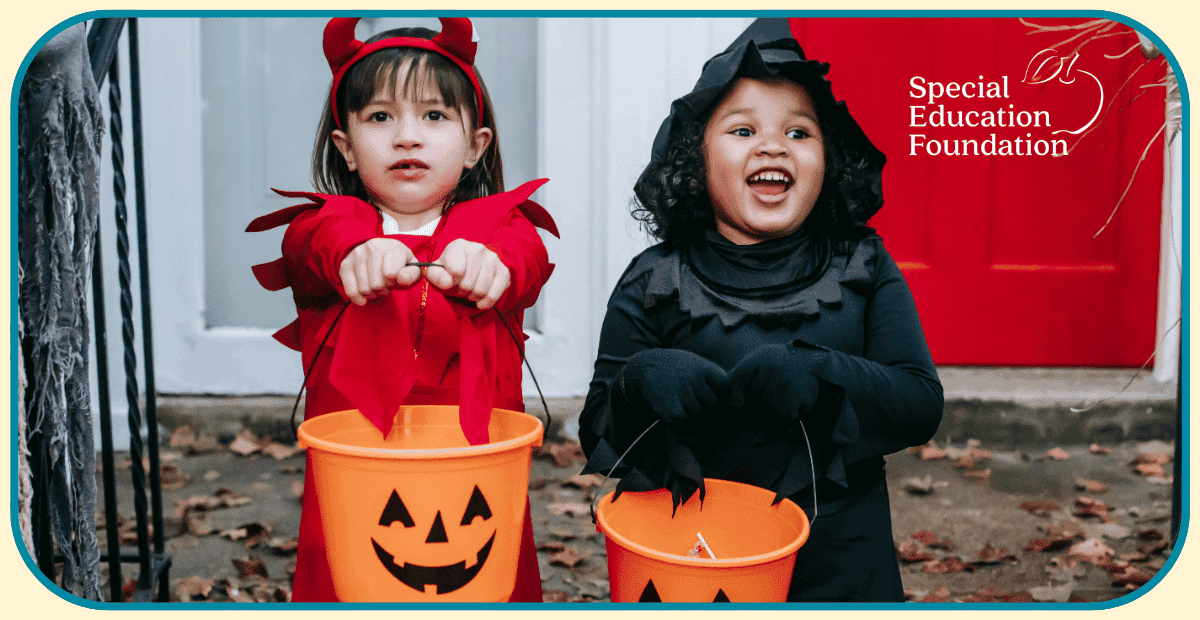
For many children, Halloween means picking out a costume, filling a bucket with candy, and showing off their spooky or silly side. But for children with disabilities, including autism, the sights, sounds, and surprises of Halloween can sometimes make the festivities overwhelming. A few thoughtful adjustments can help make the holiday more comfortable, inclusive, and fun for everyone.
At the Special Education Foundation (SEF), we believe every child deserves the opportunity to enjoy the excitement of the season in a way that works for them. Here are a few ways families, schools, and neighbors can make Halloween more welcoming.
Choose Comfort Over Costume Perfection
Itchy fabrics, tight masks, and complicated accessories can turn dressing up into a challenge. Let children choose what feels comfortable, whether that's a favorite character costume, a familiar outfit, or something simple. Adaptive costumes can also accommodate wheelchairs, braces, and medical equipment.
Let Children Set the Pace
Crowded sidewalks, loud decorations, and flashing lights can be overwhelming for some children. Consider trick-or-treating earlier in the evening, choosing a quieter route, or visiting just a few familiar homes. Taking breaks—or deciding that a short outing is enough—can make the experience more enjoyable.
Look for the Blue Halloween Buckets
Have you spotted a blue Halloween bucket? Blue buckets are sometimes used by children with autism to help signal that they may communicate or participate in trick-or-treating differently. While the blue bucket is not a universal symbol, recognizing it can be a helpful reminder to practice patience, offer a warm smile, and welcome every child. Some children may not say “trick or treat” or respond in expected ways, and that's OK. Every child deserves kindness without having to explain themselves.

Make Room for Different Ways to Celebrate
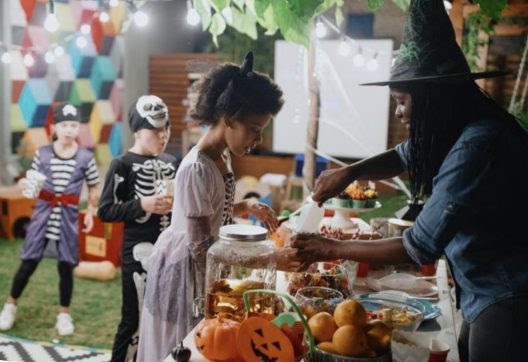
Trick-or-treating isn't the only way to enjoy Halloween. A small gathering at home, a classroom celebration, pumpkin decorating, or a favorite Halloween movie can offer all the fun with fewer sensory surprises. Letting children participate on their own terms helps make special memories without unnecessary stress.
Remember That Treats Come in Many Forms
Candy isn't right for every child because of allergies, dietary needs, or personal preferences. Offering non-food treats, such as stickers, bubbles, or small toys, gives families another option. When possible, let children choose what interests them.
A Little Understanding Goes a Long Way
Halloween doesn't have to look the same for every family to be special. A quieter celebration, a different costume, or a neighbor who understands can make a meaningful difference in a child's experience.
At SEF, we know that small acts of understanding can help create a more welcoming community for students with disabilities and their families. This Halloween, let's look beyond the costumes and candy to make sure every child feels included, accepted, and celebrated.


